
Casa Tartini: how it was born
Giuseppe Tartini's birthplace is located in the main square of the town of Piran, which is named after him. It was built on the foundations of a previous Gothic-style building, erected in the 14th century by a family of merchants and shipowners from Piran. During the 18th century, the building was completely rebuilt and enlarged in the Baroque style of the time, under the guidance of the Zangrando family, the maternal side of the Piranese composer. In fact, in 1685, Caterina Zangrando, from Piran, and Giovanni Antonio Tartini, from Florence, a clerk in Piran on behalf of the Republic of Venice, were married here. This position allowed Giuseppe's father
to acquire great economic wealth and significant political importance, which allowed the Tartini family to further expand the palace, until it reached the structure that it still retains today, including the rich
interior decorations. The stucco work and murals, on the other hand, are in the neoclassical style and were commissioned by Pietro Tartini, the violinist's nephew. They were created by Pietro Gaspari, a Venetian painter and set designer known for his engravings and paintings, which echo the style of Giambattista Piranesi thanks to the attention and skill with which he outlined the architectural details.
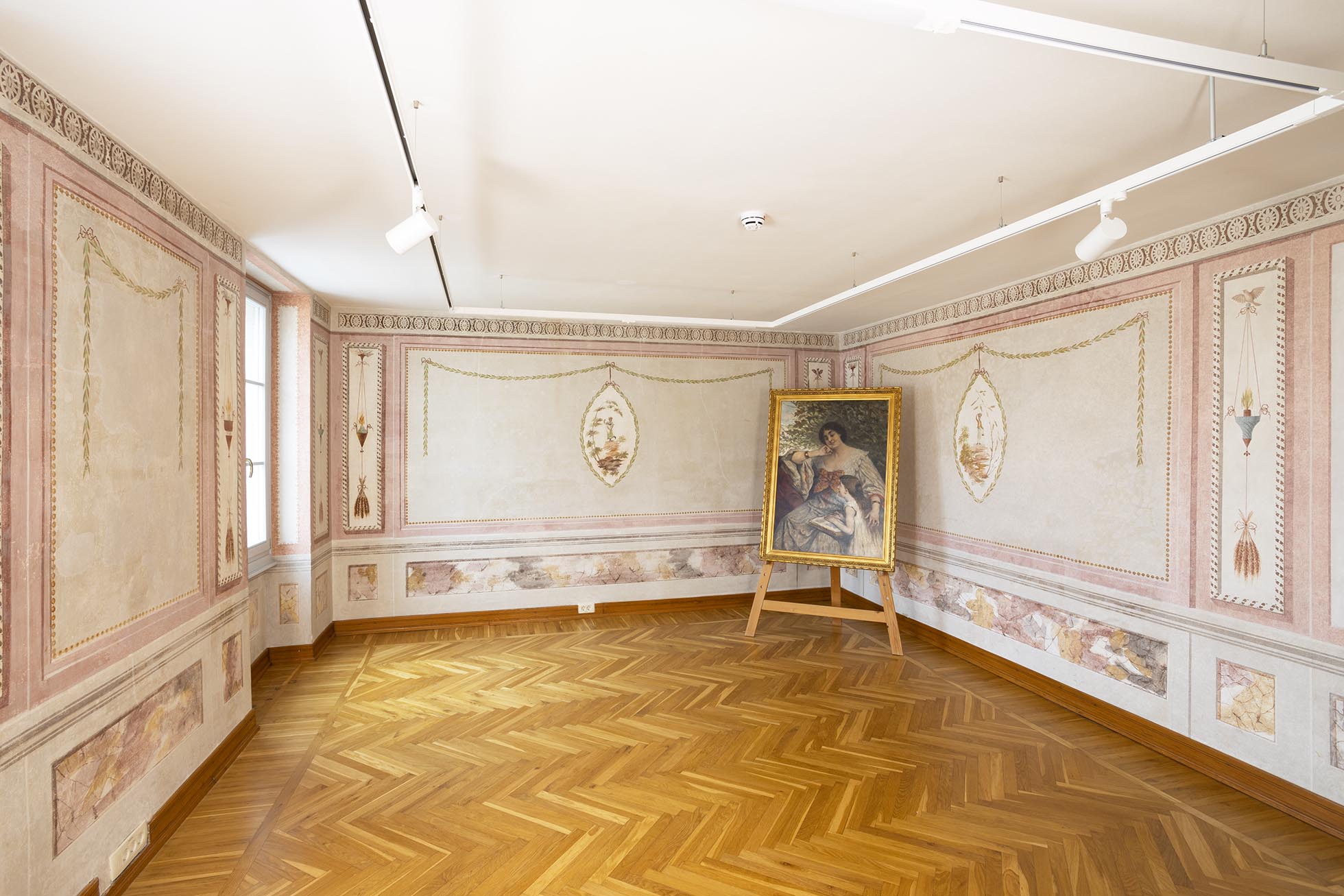
Casa Tartini: as it appears today
Casa Tartini has been restored on numerous occasions, most recently in 2020, on the 250th anniversary of the death of the famous violinist, composer and musicologist from Piran. This restoration was accompanied by the creation of a museum tour that introduces visitors to the artistic and architectural wonders of this place, recounting anecdotes, curiosities and episodes involving the illustrious figures who lived there. This new exhibition tour was made possible thanks to the contribution of the European Union as part of the Interreg V-A Italy-Slovenia programme. The museum tour includes
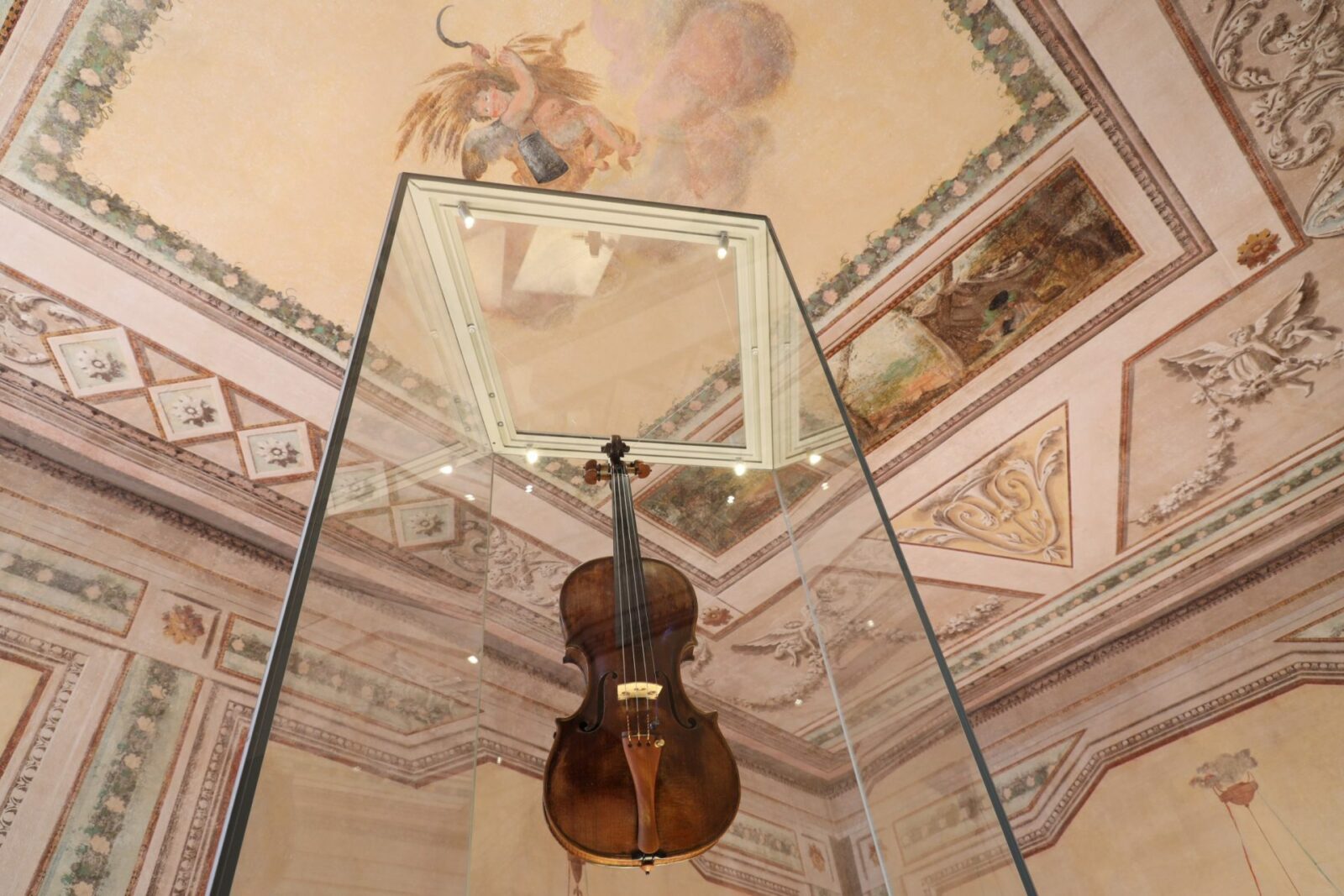
You can view the Giuseppe Tartini collection, which includes original documents and treatises written by the author, his plaster funeral mask, several paintings and depictions dedicated to him, and one of the three violins that the maestro used for his concerts, built by luthier Nicola Marchioni of Bologna between 1715 and 1725. In addition to hosting the museum dedicated to its most illustrious inhabitant, Casa Tartini is the headquarters of the Giuseppe Tartini Italian Community, which organises numerous events and exhibitions aimed at spreading the culture and traditions of the Italian minority in the area.
Giuseppe Tartini: his life
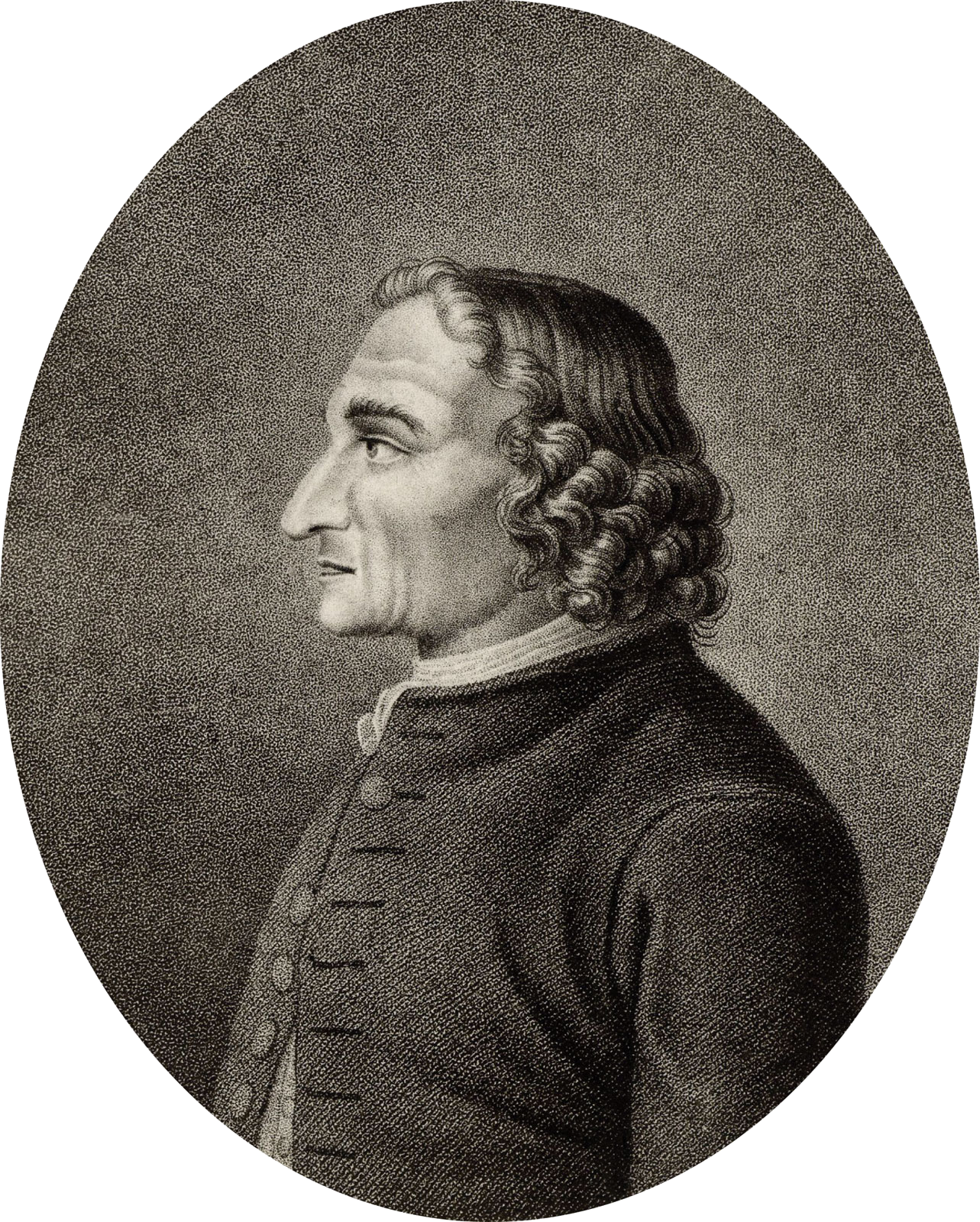
Giuseppe Tartini was born in Piran in 1692, the son of Caterina Zangrando, who belonged to one of the most important families in the city, and Giovanni Antonio Tartini, who was a salt clerk in Piran on behalf of the Republic of Venice. At the time, this position was one of the most important in the city's social fabric, as salt was the main economic resource in the area. His son Giuseppe immediately distinguished himself as a child of remarkable talent, which led him to continue his studies at the College of Nobles in Koper, where he received a varied and comprehensive education, including the study of philosophy, rhetoric, and
mathematics. He later moved to Padua to study law, but his only desire was to pursue his two great passions: fencing and the violin. After secretly marrying
Elisabetta Premazone, niece of the Archbishop of Padua, to whom Giuseppe gave violin lessons, was forced to flee and seek asylum. It was on this occasion that he was welcomed by Giovanni Torre, guardian father of the Convent.
of the Franciscans of Assisi, to whom he was related, who offered him refuge and allowed him to further perfect his musical studies under the guidance of Matěj Černohorský, founder of an important school of composition in Prague, who was in Assisi at the time as an organist. Returning to Padua after being forgiven by the cardinal, his fame grew rapidly, and at the age of only 24 he was invited to play in Venice for private receptions organised by the Elector of Saxony and King of Poland, Augustus II. He then moved to Ancona, where he developed what is considered his most important contribution to music theory, which he published in a treatise in 1754: the so-called third sound, or Tartini's sound, an acoustic phenomenon that consists in the generation of a low sound resulting from the difference in frequency between two higher sounds.
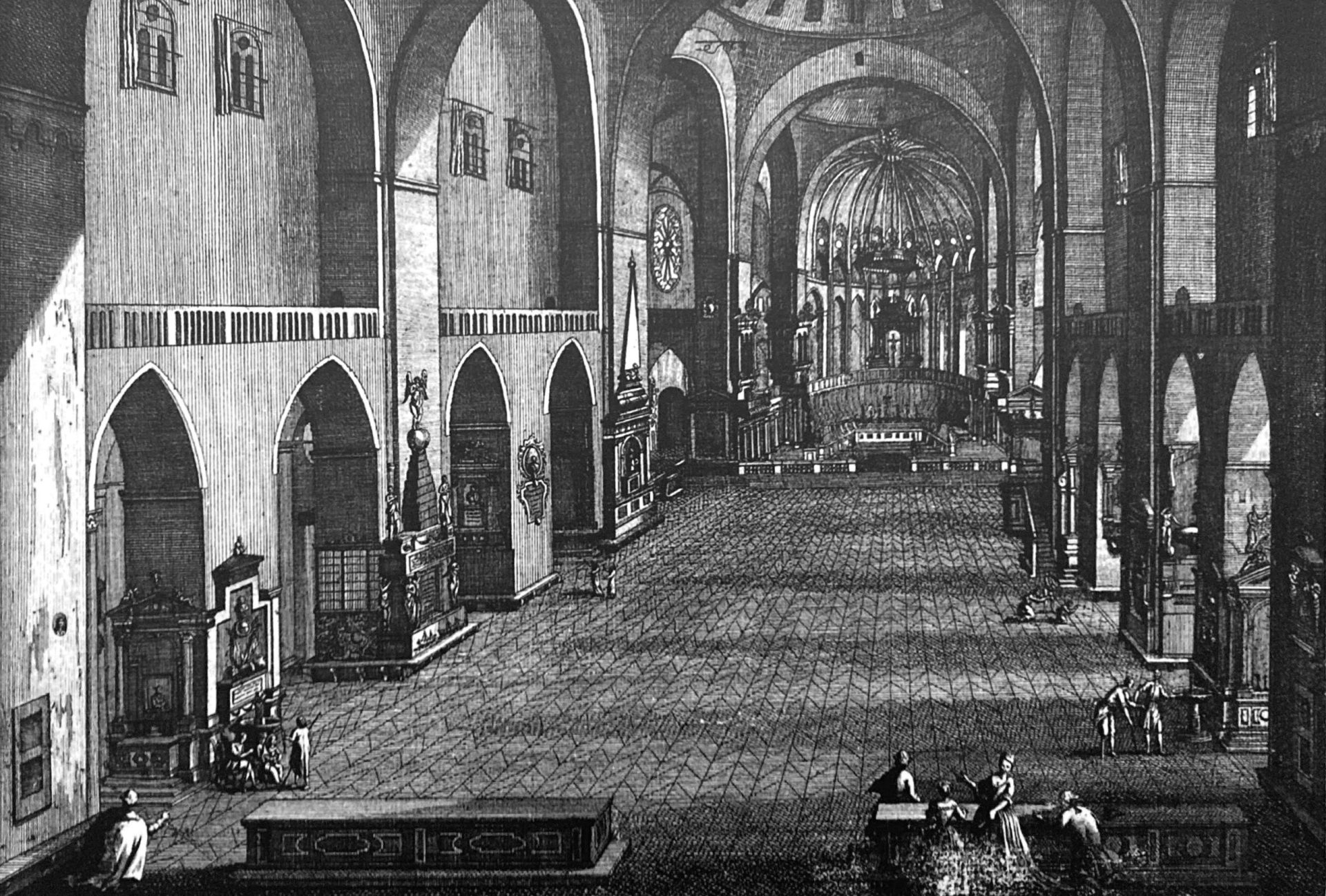
In 1721, at the age of 29, he returned to Padua as first violinist of the Orchestra della Basilica di Sant'Antonio, and after a few years he founded one of the most important violin schools in Europe, which earned him the name Maestro delle Nazioni (Master of Nations). After a huge number of concerts, publications and treatises, he died of scurvy in 1770, rightfully entering the ranks of the most important musicians and theorists of the 18th century.

The Italian Community
The Giuseppe Tartini Italian Community of Piran was established as a natural continuation of the former CIC (Italian Cultural Circle), founded immediately after the war (1946) with the aim of safeguarding and protecting the Italian language and culture. The CIC played a fundamental role in promoting and passing on the artistic, cultural and social heritage of the Italian community, which suddenly found itself in a minority after having represented the majority of the population until the Istrian exodus of the 1950s.
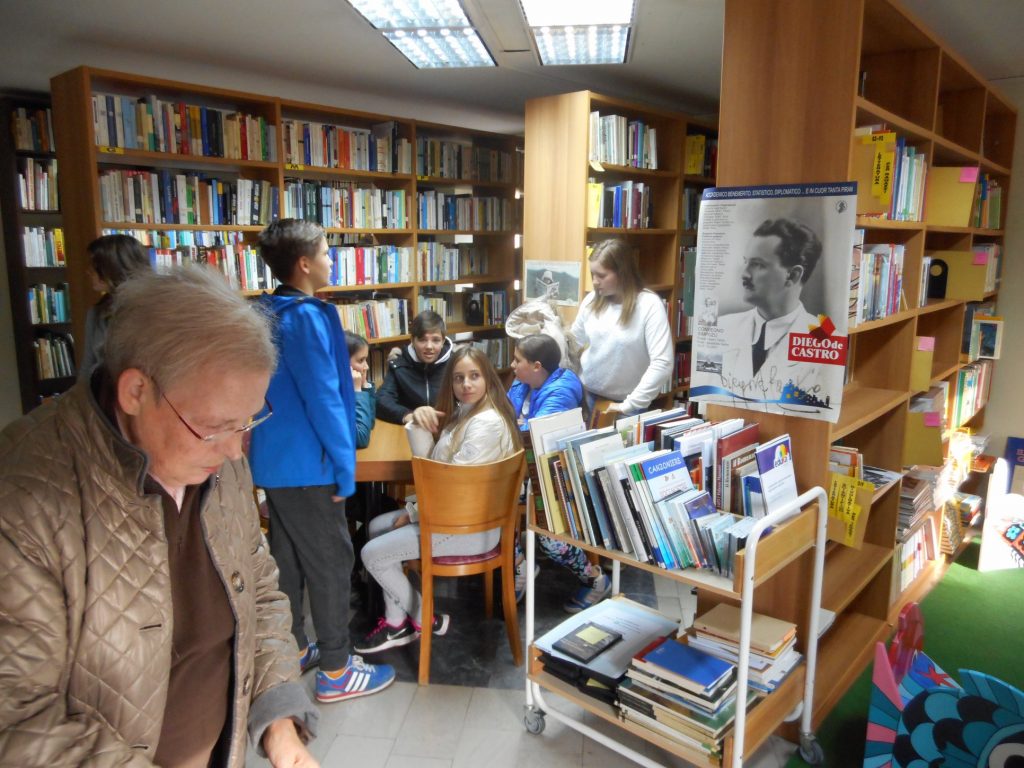
The institution distinguished itself in particular for promoting amateur dramatics, which was already taking place within Casa Tartini, and for its intense collaboration with local schools, working hard to ensure that new generations did not lose touch with the language and culture of their ancestors. After Slovenia gained independence from Yugoslavia in 1991, the Italian Community formally organised itself as a non-profit cultural association, maintaining its mission to defend and promote Italian culture, history and traditions within Slovenian Istria.

 EN
EN  IT
IT  SL
SL